In the intricate world of finance, fund management companies play a pivotal role in shaping investment outcomes for individuals, institutions, and governments. But behind the scenes of portfolio performance and market strategies lies a fundamental question: how do these firms actually make money?Read More
In today’s financial world, predicting stock prices is no longer just about gut instinct or traditional charts—it’s about data-driven intelligence powered by AI. Behind every forecast lies a sophisticated process that blends mathematics, machine learning, and real-time market dynamics. Read More
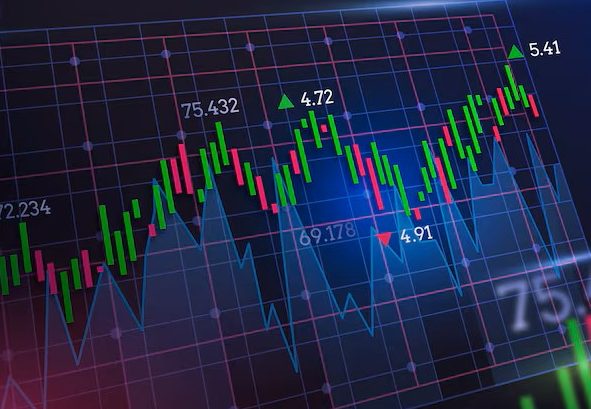
In the world of investing, numbers tell stories—and technical analysis is the language that decodes them. Unlike fundamental analysis, which digs into earnings reports and economic indicators, TA focuses on the market’s heartbeat: price and volume. The premise is simple yet powerful: history repeats itself, and patterns in past trading behavior can hint at future moves.Read More
In today’s hyper-connected world, markets don’t just move on earnings reports—they move on emotions. Tweets, headlines, Reddit threads, and even emojis can send billions of dollars swinging in seconds. Welcome to the era of sentiment-driven investing, where algorithms read the crowd’s mood and turn it into actionable signals.Read More
Combining AI models, technical analysis, volatility metrics, and sentiment analysis creates a multi-factor prediction framework that is far more robust than relying on any single method.Read More
This course provides advanced theoretical and practical knowledge in portfolio management and index investing. Students will learn to construct, manage, and evaluate investment portfolios, understand the role of indexes, and apply quantitative and technological tools to optimize investment outcomes in global financial markets.Read More
The course “Indexes Investing” provides a comprehensive understanding of how index-based investment products work and how they can be used to build efficient, diversified portfolios. Students will explore the structure and methodology of different market indexes, such as equity, bond, and commodity indexes, and examine index-based instruments like ETFs and index funds. The course covers the advantages...Read More
The course “Financial Engineering” introduces students to the design, analysis, and implementation of innovative financial instruments and strategies. It combines concepts from finance, mathematics, statistics, and computational methods to solve complex problems in investment, risk management, and market analysis. Topics include derivatives pricing, portfolio optimization, risk modeling, structured products, and algorithmic trading. Read More
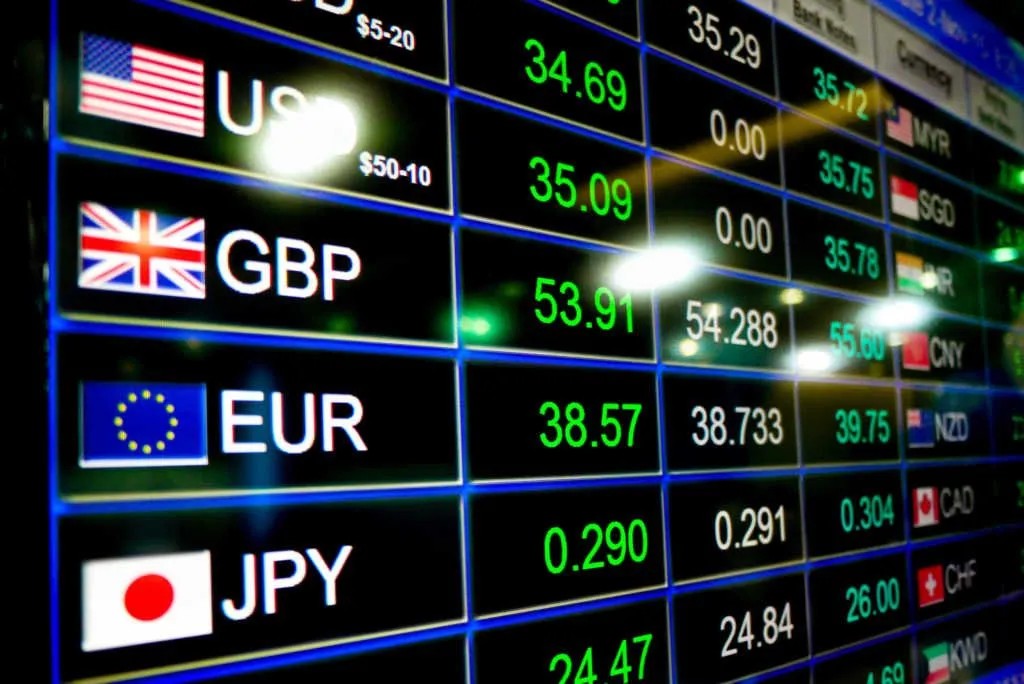
Currency risk, also called foreign exchange risk (FX risk), is the possibility that changes in exchange rates will affect the value of investments denominated in a foreign currency.Read More