
Vietnam’s emerging market is entering a pivotal phase in the evolution of its capital market structure. Increasing international capital inflows, stock market reclassification, and rising transparency standards are collectively reshaping the investment landscape – making long-term, strategic wealth management more critical than ever.
Against this backdrop, the key question is no longer just where to invest, but how assets should be managed to generate sustainable long-term value. This is precisely where Wealth Management plays a central role – as a comprehensive strategic framework well suited to emerging markets such as Vietnam.
One of the most notable milestones in recent years has been Vietnam’s upgrade from Frontier Market to Secondary Emerging Market status by FTSE Russell. This reclassification reflects meaningful improvements in market infrastructure, settlement systems, transparency, and corporate governance, positioning Vietnam alongside peers such as China, India, and Indonesia in the eyes of global investors.
Market analyses suggest that this upgrade could attract approximately USD 5–8 billion in foreign capital in subsequent phases, including both passive inflows from exchange-traded funds (ETFs) and active allocations from long-term institutional investors.
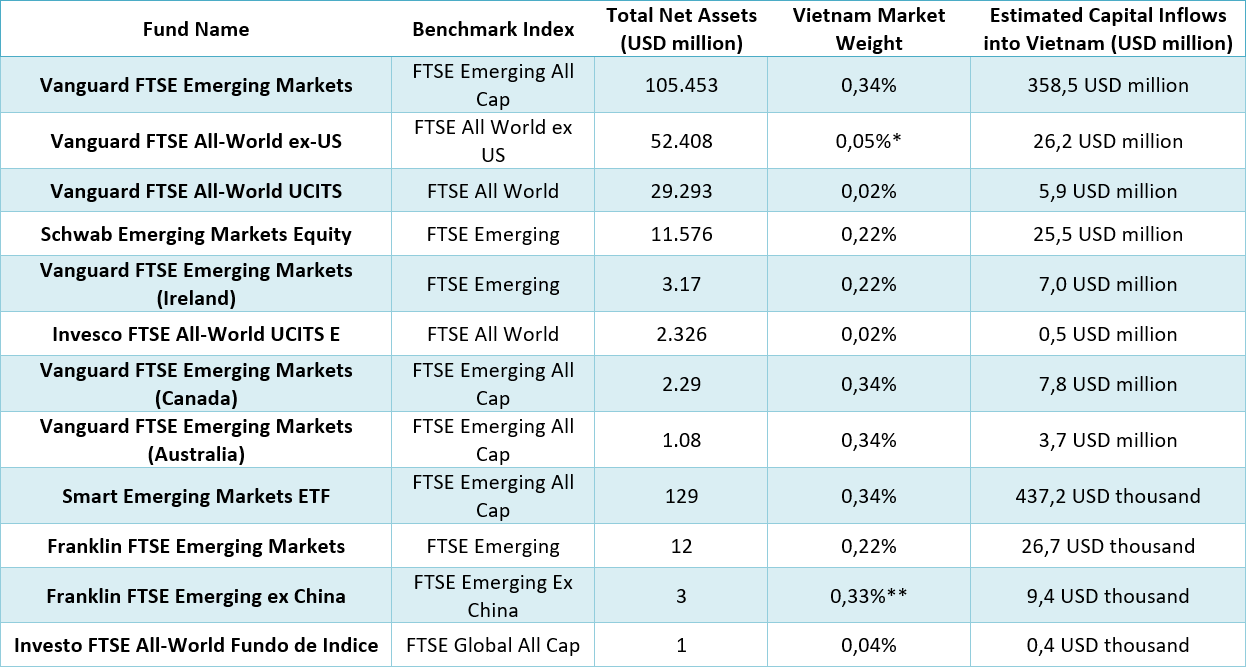
For instance, the Vanguard FTSE Emerging Markets Index, one of the world’s largest passive funds with assets exceeding USD 100 billion, is expected to allocate hundreds of millions of dollars to Vietnam once the country is formally included in the FTSE Emerging Markets Index.
More importantly than the headline figures, these reforms signal a structural shift: investment activity in Vietnam is gradually moving away from short-term, sentiment-driven reactions toward a long-term investment framework built on a more resilient market foundation.
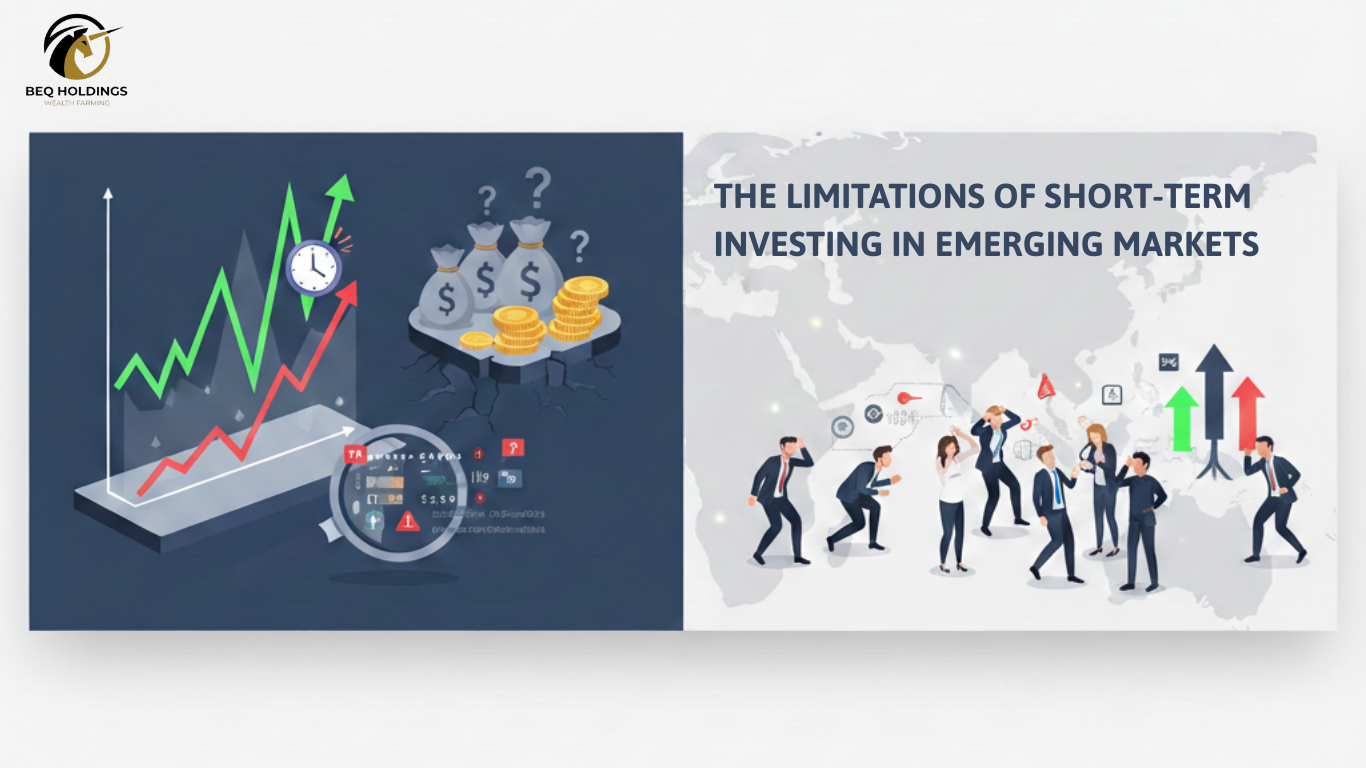
Emerging markets are often both attractive and volatile – a combination that makes short-term investing particularly risky.
First, international capital flows tend to be highly cyclical in the short run. While market upgrade prospects create expectations of increased foreign investment, history shows periods in which foreign investors have accelerated net selling of Vietnamese equities amid rising concerns over trade policies and macroeconomic risks. For example, in the early weeks of 2025, foreign investors recorded net selling of several hundred million U.S. dollars ahead of the anticipated market reclassification.
Second, emerging markets frequently face gaps in data transparency, making short-term, information-driven investment decisions more prone to misjudgment. This challenge becomes more pronounced when macroeconomic shifts, such as changes in monetary policy, exchange rates, or trade tensions can trigger sudden and significant asset price movements.
Finally, attempting to “time the market” in highly volatile environments often leads to unsustainable outcomes. Strategies built around short-term price fluctuations tend to struggle in delivering consistent returns once transaction costs and behavioral risks are taken into account.
These limitations do not negate the opportunities present in emerging markets. Rather, they underscore that Vietnam – like many other emerging economies – requires a long-term investment lens, rather than reactive responses to short-term market signals.
As emerging markets become increasingly integrated with global capital flows and international economic cycles, Wealth Management can no longer be understood simply as selecting the best investment products at any given moment. Instead, it represents a comprehensive wealth management framework that enables investors to engage with markets in a structured, disciplined, and long-term manner.
At its core, Wealth Management emphasizes strategic asset allocation, optimizing portfolios across multiple asset classes rather than relying on short-term fluctuations in a limited number of individual securities. This approach allows portfolios to capture long-term growth potential while reducing concentration risk.
In addition, Wealth Management is guided by the long-term financial objectives of individuals or families. Investment portfolios are designed to support these goals across multiple market cycles, helping investors maintain consistency and avoid emotionally driven decisions during periods of heightened market volatility.
Finally, portfolio-level risk management plays a critical role. By assessing risk through asset correlations and the broader macroeconomic context, Wealth Management helps protect overall wealth and enhance risk-adjusted returns—making it particularly well suited to emerging markets such as Vietnam, where growth and volatility often go hand in hand.
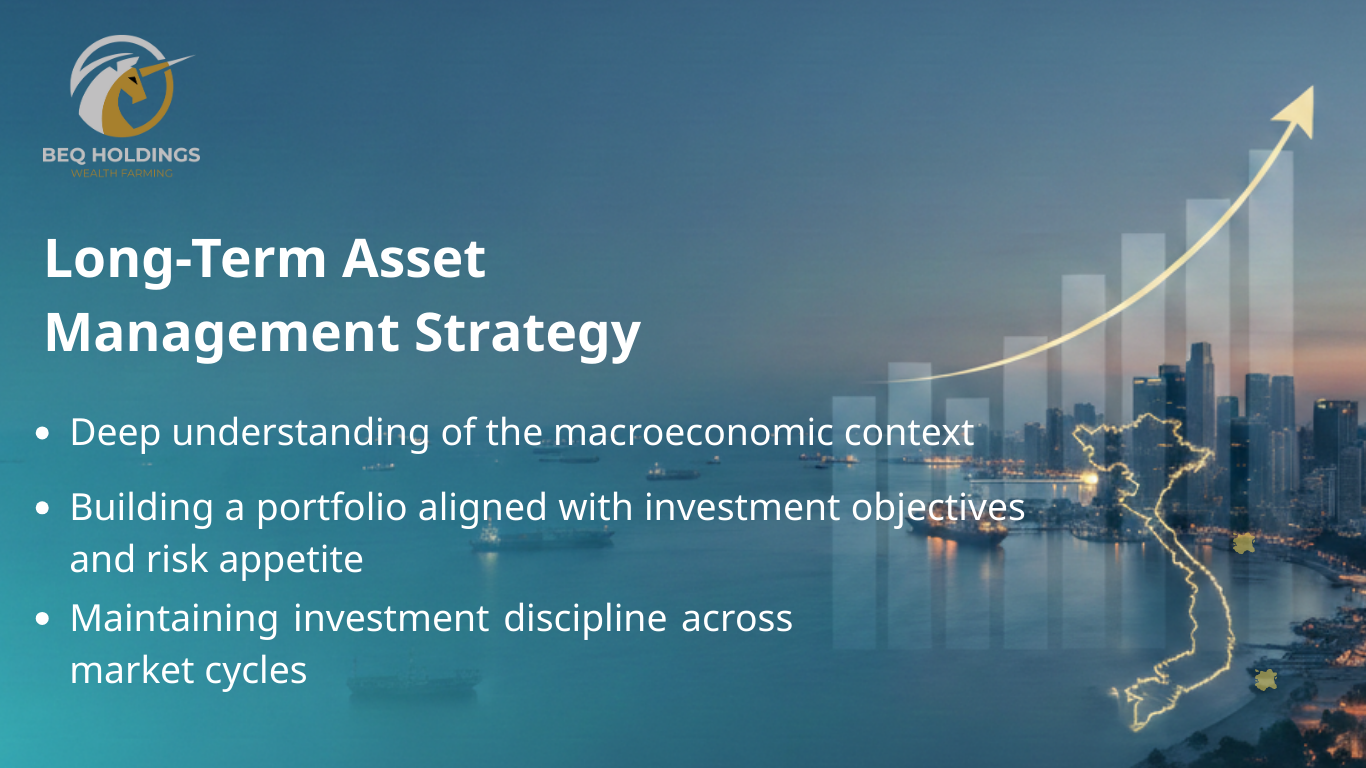
At BeQ Holdings, we believe that effective wealth management is a long-term journey rather than a series of short-term reactions to market volatility. Instead of seeking quick gains from short-lived market “waves,” our strategy focuses on:
While Vietnam’s market upgrade has opened the door to increased foreign capital and strengthened long-term growth appeal, sustainable portfolio value is ultimately created only when investment strategies extend beyond near-term market fluctuations.
If you are interested in building a long-term Wealth Management strategy in Vietnam’s Emerging Market, BeQ Holdings is always open to strategic discussions and sharing tailored insights with each investor.
Text box item sample content