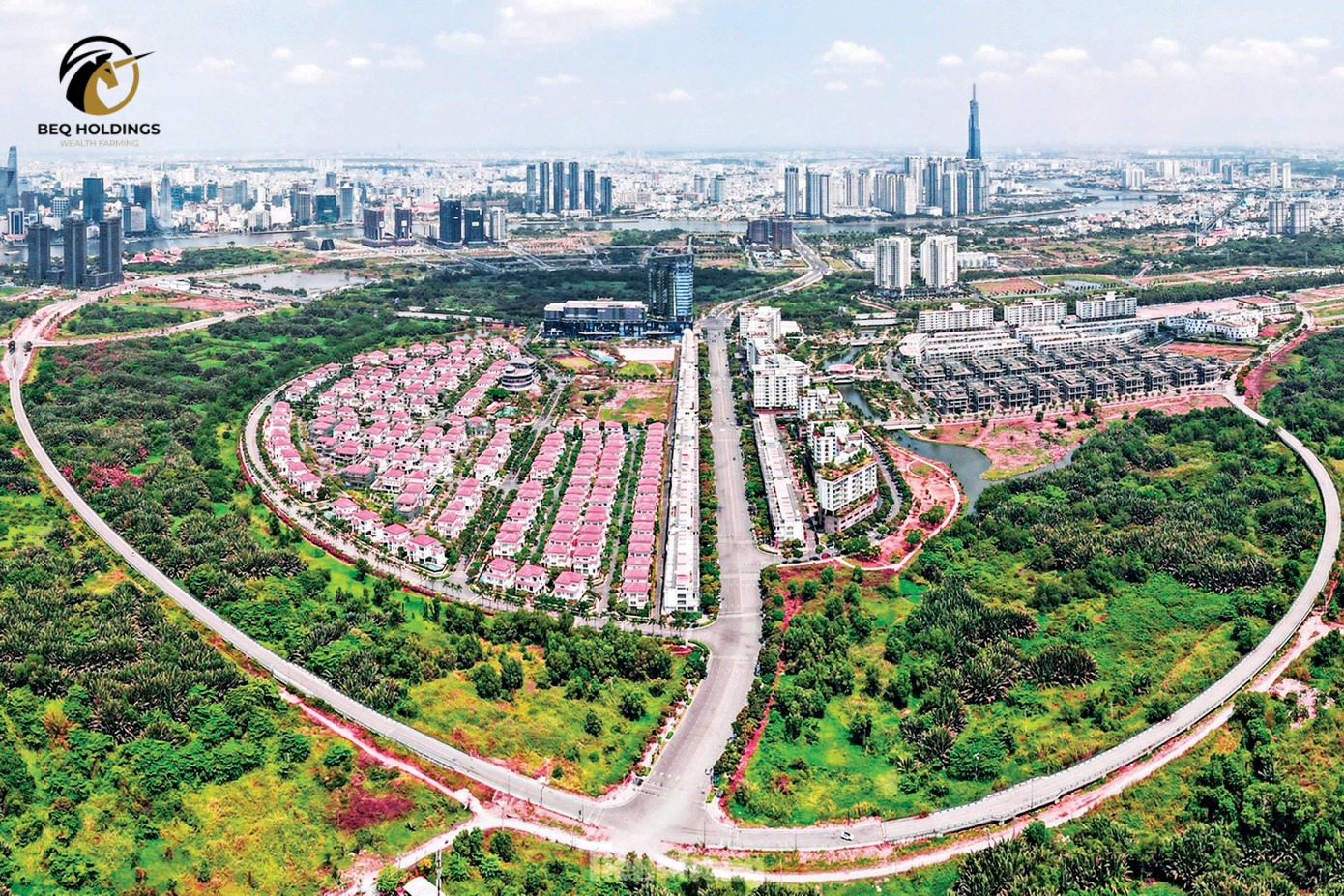
Sau khi Chính phủ công bố thành lập Trung tâm tài chính quốc tế tại Việt Nam, TPHCM đã nhanh chóng bắt tay vào việc vận hành Trung tâm tài chính quốc tế (IFC). Ông Bùi Hòa An, Phó Giám đốc Sở Xây dựng TPHCM cho biết, IFC được xác định có diện tích khoảng 900 ha, thuộc địa bàn phường Sài Gòn, phường Bến Thành và phường An Khánh (bán đảo Thủ Thiêm). Khu vực này có thể hình dung như một “vòng tròn” bao trọn sông Sài Gòn. Vị trí địa lý và quy hoạch này mang ý nghĩa đặc biệt quan trọng, bởi các doanh nghiệp, tổ chức tài chính, các tòa nhà và định chế tài chính hoạt động trong phạm vi địa lý nói trên sẽ được hưởng các chính sách ưu đãi của Chính phủ.
Về hạ tầng kỹ thuật, ngành điện và ngành nước đều có sự ưu tiên riêng cho khu vực IFC. Việc vận hành các trung tâm tài chính đòi hỏi hệ thống máy móc công nghệ cao, tiêu thụ điện năng rất lớn, đồng thời cần lượng nước đáng kể để phục vụ công tác làm mát. Do đó, quy hoạch hạ tầng kỹ thuật tại khu vực này đã được tính toán phù hợp với đặc thù vận hành của một trung tâm tài chính quy mô lớn.
Bộ phận điều phối của IFC sẽ đặt tại tòa nhà số 8 Nguyễn Huệ. Tuy nhiên, hiện nay tòa nhà này đang được sửa chữa, cải tạo để đáp ứng các quy chuẩn của một trụ sở điều hành trung tâm tài chính quốc tế nên cần thêm thời gian hoàn thiện. Trong giai đoạn tạm thời, bộ phận điều phối sẽ được đặt tại tầng 6, số 123 Trương Định - là Trung tâm Khởi nghiệp Sáng tạo của TPHCM.
Trong phạm vi địa giới của IFC hiện có khoảng 1.000 tòa nhà. Trong số này, tòa nhà Bitexco được xác định là công trình cao nhất nằm trong khu vực trung tâm. Các tòa nhà còn lại, theo đánh giá hiện nay, có điều kiện hạ tầng tương đối ổn định và đủ khả năng đưa vào khai thác, sử dụng phục vụ hoạt động của IFC.
Ông Quách Ngọc Tuấn, Phó Giám đốc Sở Tài Chính TPHCM cho biết, lộ trình hình thành IFC chia làm 3 giai đoạn. Trong đó, giai đoạn 1 và 2 sẽ tận dụng hạ tầng sẵn có tại vùng lõi trung tâm hiện hữu, cụ thể là tòa nhà tại địa chỉ 123 Trương Định và số 8 Nguyễn Huệ làm trụ sở cho cơ quan điều hành IFC. Bước sang giai đoạn 3, TPHCM sẽ tập trung nguồn lực để kiến tạo một trung tâm tài chính quy mô lớn, hiện đại tại Khu đô thị mới Thủ Thiêm.
Để chuẩn bị nguồn nhân lực phục vụ IFC, ngay từ rất sớm, TPHCM đã cử cán bộ, công chức tham gia học tập tại các Trung tâm tài chính lớn, tại các viện, trường trong nước để có kinh nghiệm thực tế đảm nhiệm các vị trí then chốt trong IFC. TPHCM kỳ vọng trung tâm tài chính quốc tế góp phần nâng cao vị thế của thành phố với vai trò là trung tâm kinh tế - tài chính lớn của Việt Nam, là cửa ngõ kết nối hiệu quả các dòng vốn, dịch vụ tài chính và tri thức quốc tế, qua đó tăng cường năng lực cạnh tranh, thúc đẩy tăng trưởng nhanh và bền vững. Thông qua IFC, TPHCM mong muốn thu hút mạnh mẽ các định chế tài chính, quỹ đầu tư, doanh nghiệp và công nghệ tài chính hàng đầu, đồng thời hình thành hệ sinh thái dịch vụ tài chính hiện đại, minh bạch, tiệm cận các chuẩn mực quốc tế, đáp ứng nhu cầu phát triển của nền kinh tế trong nước và khu vực.
TPHCM cũng kỳ vọng đây là không gian tạo đột phá về thể chế, cơ chế chính sách và môi trường đầu tư - kinh doanh, là nơi hội tụ và phát triển nguồn nhân lực tài chính - công nghệ chất lượng cao, thúc đẩy đổi mới sáng tạo và lan tỏa động lực phát triển ra toàn vùng kinh tế trọng điểm phía Nam.
“IFC tạo lập môi trường đầu tư minh bạch, ổn định và có tính dự báo cao, bảo đảm quyền sở hữu tài sản, quyền chuyển vốn, lợi nhuận hợp pháp của nhà đầu tư, đồng thời phát triển đa dạng các thị trường và sản phẩm tài chính, góp phần thu hút hiệu quả các dòng vốn trung và dài hạn, vốn đầu tư gián tiếp và vốn tài chính xanh”, ông Tuấn nói.
Bên cạnh đó, Nhà nước sẽ áp dụng các chính sách ưu đãi vượt trội về thuế, phí, đất đai và hạ tầng, triển khai cơ chế thủ tục hành chính một cửa, nhanh gọn, tạo điều kiện thuận lợi cho các định chế tài chính, nhà đầu tư và chuyên gia trong và ngoài nước tham gia hoạt động tại trung tâm tài chính quốc tế. Đặc biệt, IFC sẽ là không gian thử nghiệm các mô hình, sản phẩm tài chính mới theo cơ chế kiểm soát rủi ro phù hợp, qua đó khuyến khích đổi mới sáng tạo, nâng cao hiệu quả phân bổ nguồn lực và năng lực cạnh tranh của thị trường tài chính Việt Nam.
“Việc xây dựng IFC không chỉ là yêu cầu khách quan của quá trình phát triển, mà còn là khát vọng, là bước đi chiến lược nhằm nâng tầm vị thế của Việt Nam trên bản đồ tài chính toàn cầu. Để hiện thực hóa mục tiêu này, cần có sự đồng hành, hợp tác chặt chẽ giữa Nhà nước và khu vực tư nhân, giữa chính quyền địa phương với các bộ, ngành Trung ương. Đặc biệt là sự tin tưởng, gắn bó lâu dài của cộng đồng các nhà đầu tư, các tổ chức tài chính và đối tác quốc tế”, ông Tuấn khẳng định.
Việt Nam xây dựng IFC tại TPHCM và Đà Nẵng, không chỉ là dự án kinh tế đơn thuần mà còn là dấu mốc quan trọng, mang ý nghĩa lịch sử đối với sự phát triển của nền kinh tế và hệ thống tài chính quốc gia. Việt Nam cần định vị chiến lược IFC theo từng bước, phù hợp với năng lực và bối cảnh thực tế. Trước mắt, mục tiêu ngắn hạn là phục vụ thị trường Đông Nam Á, sau đó từng bước vươn ra toàn cầu.
Việt Nam nên ưu tiên phát triển các lĩnh vực có tiềm năng như thị trường vốn, tài chính xanh, ESG, fintech, quản lý tài sản và quỹ đầu tư. Lộ trình được chia thành ba giai đoạn rõ ràng, gồm giai đoạn 2026-2030 đặt nền móng, giai đoạn 2031-2035 tăng tốc phát triển và giai đoạn 2036-2045 hướng tới khẳng định vị thế trên bản đồ tài chính toàn cầu. Để IFC thành công, yếu tố minh bạch và uy tín phải được đặt lên hàng đầu. Nếu không đạt được sự minh bạch cao nhất, IFC sẽ khó lòng vận hành hiệu quả và thu hút được dòng vốn quốc tế bền vững
Chuyển đổi số sẽ là nền tảng cốt lõi trong mô hình hoạt động của ngân hàng tại IFC. Nhiều giao dịch trước đây buộc khách hàng phải đến quầy, như chuyển tiền quốc tế hay mua bán ngoại tệ, nay hoàn toàn có thể thực hiện trực tuyến, không tiếp xúc, bảo đảm tốc độ, minh bạch và chuẩn mực quốc tế. Việc hình thành IFC sẽ tạo điều kiện thuận lợi để các ngân hàng nâng cao năng lực gọi vốn, mở rộng kênh huy động và củng cố nội lực tài chính.
Có thể hình dung IFC như một “trạm trung chuyển” lớn của dòng vốn, nơi các ngân hàng đóng vai trò là những “bộ biến áp” hiện đại, không chỉ giúp dòng tiền lưu thông hiệu quả mà còn góp phần nâng cấp chất lượng nguồn lực tài chính, tạo động lực lan tỏa cho toàn bộ nền kinh tế.
Xây dựng Trung tâm tài chính quốc tế (IFC) tại TPHCM là bước chiến lược đưa Việt Nam lên bản đồ tài chính toàn cầu. Với lộ trình 3 giai đoạn, ưu đãi vượt trội và cam kết minh bạch, uy tín cao, IFC sẽ thu hút định chế tài chính, quỹ đầu tư, fintech quốc tế, trở thành trung tâm dòng vốn khu vực.
Từ 2026–2045, nếu thực hiện quyết liệt với sự hợp tác chặt chẽ giữa Nhà nước, tư nhân và nhà đầu tư, IFC sẽ nâng tầm TPHCM, thúc đẩy tăng trưởng bền vững cho phía Nam và cả nước, khẳng định Việt Nam là trung tâm tài chính đáng tin cậy Đông Nam Á.
Liên hệ với BeQ Holdings để được tư vấn miễn phí