Gen Z đang bước vào đời trong một bối cảnh rất khác. Ở Việt Nam, một thị trường mới nổi tăng trưởng nhanh, cơ hội tạo thu nhập đến sớm hơn nhiều so với các thế hệ trước. Công nghệ, nền kinh tế số và sự mở rộng của thị trường vốn đã rút ngắn con đường kiếm tiền.
Tuy nhiên, nghịch lý đang dần lộ rõ. Dù thu nhập tăng sớm, dù tham gia đầu tư từ rất trẻ, nhiều Gen Z vẫn nhận ra rằng tài sản ròng của họ gần như không cải thiện theo thời gian. Kiếm được tiền, nhưng không giữ được tiền. Đầu tư nhiều, nhưng cảm giác an toàn tài chính vẫn rất mong manh.
Đây không phải câu chuyện cá nhân. Nó đang là một xu hướng toàn cầu, đặc biệt rõ nét tại các Các Thị Trường Mới Nổi.
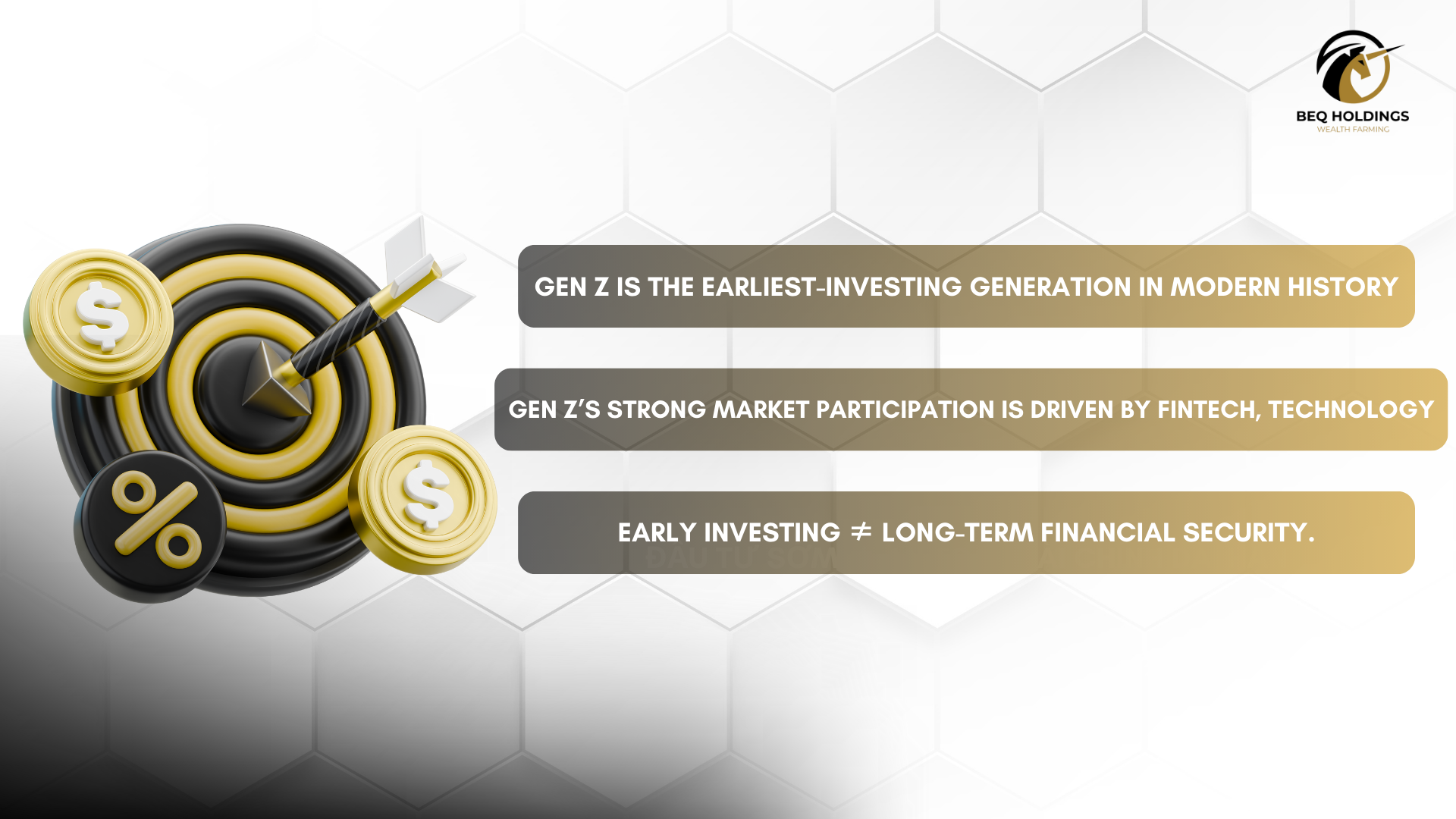
Thế nhưng, điều đáng chú ý là cảm giác an toàn tài chính không đi cùng tốc độ tham gia thị trường. Nhiều khảo sát cho thấy, dù đầu tư sớm và tiếp cận nhiều công cụ hơn, một tỷ lệ lớn Gen Z vẫn lo lắng về tương lai tài chính dài hạn. Thu nhập đến nhanh, nhưng cũng dễ biến mất. Lợi nhuận có thể xuất hiện trong một chu kỳ, rồi bốc hơi ở chu kỳ tiếp theo.
Tại Việt Nam, xu hướng này thậm chí còn rõ rệt hơn. Trong giai đoạn thị trường bùng nổ số lượng nhà đầu tư cá nhân, nhóm dưới 30 tuổi chiếm tỷ trọng lớn trong các tài khoản mở mới. Đồng thời, Gen Z cũng là thế hệ tiếp cận mạnh mẽ nhất với các ứng dụng đầu tư, nền tảng fintech và công cụ phân tích dựa trên dữ liệu..
Yet what stands out is that financial security has not kept pace with market participation. Many surveys show that despite investing early and having access to more tools than ever before, a large proportion of Gen Z remains anxious about long-term financial stability. Income may come quickly, but it can also disappear just as fast. Profits may emerge in one market cycle, only to evaporate in the next.
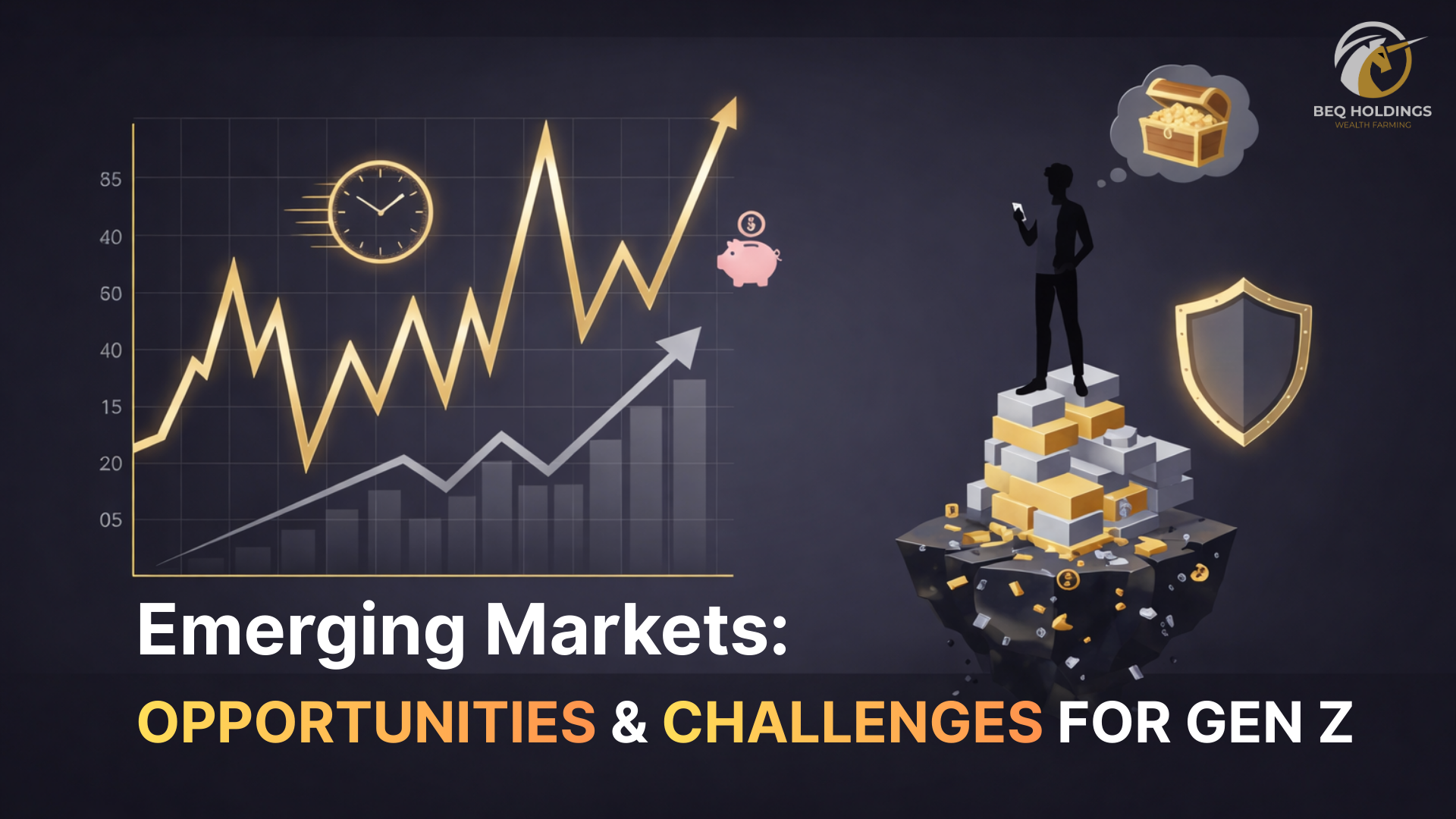
Việt Nam, cũng như nhiều thị trường mới nổi khác, có một đặc điểm chung: tốc độ tăng trưởng cao đi kèm với mức độ biến động lớn. Cơ hội sinh lời vì thế xuất hiện nhanh, nhưng chu kỳ tài sản lại ngắn.
Khác với các thị trường phát triển, nơi khung pháp lý ổn định và chu kỳ tài sản kéo dài, Các Thị Trường Mới Nổi vận hành theo nhịp nhanh và nhiều cú sốc hơn. Một quyết định đầu tư đúng trong năm nay có thể trở thành gánh nặng chỉ sau một giai đoạn điều chỉnh.
Với Gen Z, vấn đề không nằm ở việc thiếu cơ hội. Ngược lại, cơ hội quá nhiều đôi khi lại trở thành rủi ro. Khi kinh nghiệm còn hạn chế nhưng khả năng tiếp cận thông tin là gần như vô hạn, nhà đầu tư trẻ rất dễ bước vào thị trường bằng sự tự tin cao hơn mức cần thiết
Trong bối cảnh đó, sai lầm phổ biến nhất không phải là chọn sai kênh, mà là đầu tư trước khi có một cấu trúc tài chính đủ vững.
Rất nhiều Gen Z bắt đầu đầu tư khi dòng tiền cá nhân chưa thực sự ổn định. Thu nhập có thể tốt trong ngắn hạn, nhưng chưa bền vững. Quỹ dự phòng còn mỏng. Các nghĩa vụ tài chính tương lai, như nhà ở hay gia đình, chưa được tính đến đầy đủ.
Trong hoàn cảnh đó, tiền đầu tư thường không được tách biệt rõ ràng với tiền sinh hoạt. Khi thị trường thuận lợi, cảm giác kiểm soát tăng lên rất nhanh. Nhưng khi thị trường đảo chiều, áp lực tâm lý cũng tăng theo. Lúc này, quyết định đầu tư không còn dựa trên chiến lược, mà bị chi phối bởi nhu cầu chi tiêu hoặc nỗi sợ mất mát
Đây chính là lý do khiến nhiều Gen Z rơi vào trạng thái “làm nhiều, đầu tư nhiều, nhưng tài sản không lớn lên”. Không phải vì họ thiếu năng lực kiếm tiền, mà vì tài sản không được bảo vệ trước khi đem ra tăng trưởng.. It is not due to a lack of earning ability, but because assets are not adequately protected before being put to work for growth.
Trong bối cảnh Emerging Market, Wealth Management cần được hiểu theo một cách khác. Nó không phải là lời hứa lợi nhuận. Nó cũng không phải là công cụ để chạy theo chu kỳ ngắn hạn.
Trong hoàn cảnh đó, tiền đầu tư thường không được tách biệt rõ ràng với tiền sinh hoạt. Khi thị trường thuận lợi, cảm giác kiểm soát tăng lên rất nhanh. Nhưng khi thị trường đảo chiều, áp lực tâm lý cũng tăng theo. Lúc này, quyết định đầu tư không còn dựa trên chiến lược, mà bị chi phối bởi nhu cầu chi tiêu hoặc nỗi sợ mất mát.
Đây chính là lý do khiến nhiều Gen Z rơi vào trạng thái “làm nhiều, đầu tư nhiều, nhưng tài sản không lớn lên”. Không phải vì họ thiếu năng lực kiếm tiền, mà vì tài sản không được bảo vệ trước khi đem ra tăng trưởng.
Sự phát triển của công nghệ tài chính đã thay đổi sâu sắc cách Gen Z tham gia thị trường. AI, dữ liệu lớn và các nền tảng số không còn chỉ mang tính hỗ trợ, mà đã trở thành một phần trong hành vi đầu tư, giúp rút ngắn thời gian tiếp cận thông tin và tăng tốc độ ra quyết định.
Tuy nhiên, công nghệ không thể thay thế một cấu trúc Wealth Management hoàn chỉnh. Khi thiếu khung quản trị rõ ràng, tốc độ và khả năng xử lý có xu hướng khuếch đại các quyết định mang tính phản ứng, thay vì hỗ trợ kiểm soát rủi ro và mục tiêu dài hạn. Dữ liệu có thể chỉ ra cơ hội, nhưng không tự xác định ranh giới giữa phần tài sản chịu biến động và phần cần được bảo vệ.
Các công cụ như CCPI và Lumir của BeQ Holdings được thiết kế để bổ sung cho cấu trúc quản lý tài sản, tập trung vào đo lường rủi ro, đánh giá độ bền danh mục và so sánh các kịch bản đầu tư. Qua đó, nhà đầu tư có cái nhìn hệ thống về tác động của biến động thị trường lên toàn bộ tài sản cá nhân.
Về bản chất, Wealth Management là một hệ thống bao gồm quản lý dòng tiền, bảo vệ rủi ro, phân bổ tài sản và chiến lược đầu tư. Công nghệ chỉ phát huy giá trị khi được tích hợp vào hệ thống này, đóng vai trò hỗ trợ kỷ luật và giám sát, thay vì dẫn dắt hành vi.
"Vì vậy, công nghệ tài chính không phải là lời giải cho phương trình thịnh vượng, mà là một bộ khuếch đại: nó khuếch đại tính hiệu quả khi cấu trúc vững chắc, và khuếch đại rủi ro khi nền tảng quản lý tài sản cơ sở còn yếu kém.
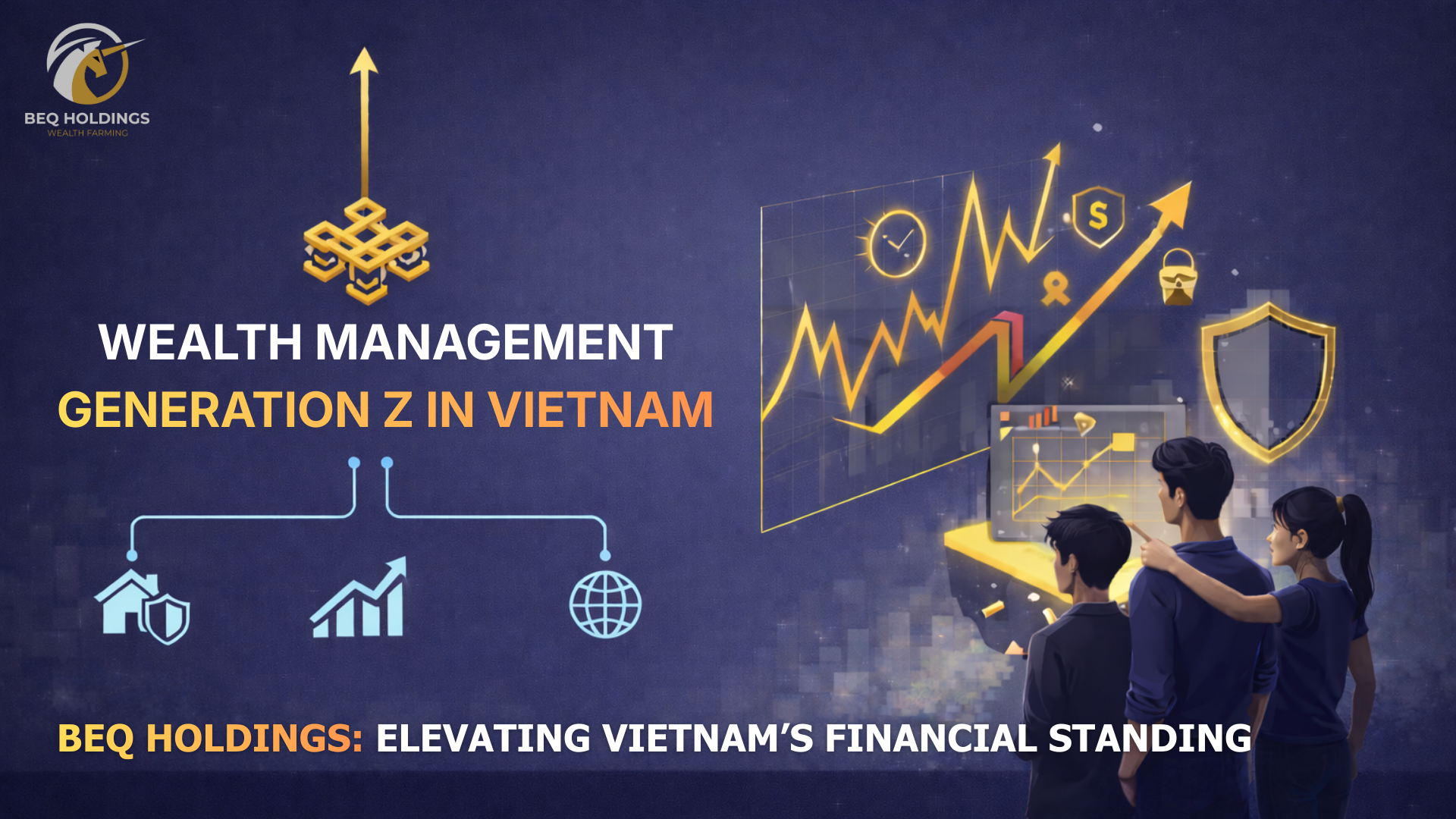
BeQ Holdings BeQ Holdings nhìn Gen Z Việt Nam không phải như một nhóm nhà đầu tư thiếu kinh nghiệm, mà như một thế hệ đang bước vào thị trường quá sớm, trong khi hệ thống hỗ trợ tài chính cá nhân chưa kịp hoàn thiện.
Vì vậy, cách tiếp cận không bắt đầu từ lợi nhuận. Nó bắt đầu từ nền tảng. Từ việc xây dựng cấu trúc quản lý tài sản, giúp cá nhân đứng vững trong biến động, trước khi nói đến tăng trưởng.
Trong cách tiếp cận này, Wealth Management không còn là đặc quyền của người giàu. Nó trở thành một “hệ điều hành tài chính” cho người trẻ, đặc biệt trong bối cảnh thị trường mới nổi, nơi rủi ro và cơ hội luôn song hành.
Gen Z Việt Nam có lợi thế lớn về thu nhập sớm và khả năng tiếp cận thị trường. Tuy nhiên, lợi thế đó chỉ thực sự phát huy khi được đặt trong một cấu trúc tài chính phù hợp. holds significant advantages in terms of early income generation and access to financial markets. However, these advantages only truly translate into lasting wealth when they are placed within an appropriate financial structure.
Bước chuyển quan trọng nhất không nằm ở việc chọn thêm kênh đầu tư. Nó nằm ở việc chuyển từ tư duy “thu nhập” sang tư duy “tài sản”, và từ kỳ vọng ngắn hạn sang chiến lược dài hạn.
Trong một thị trường nhiều biến động, người đi xa nhất không phải người chạy nhanh nhất, mà là người biết giữ thăng bằng qua từng chu kỳ.
Liên hệ với BeQ Holdings để được tư vấn miễn phí
Text box item sample content