While many retail investors continue to search for the next “10x stock,” the majority of professional capital globally follows a very different approach.
Institutional money moves with indexes—the structures that determine how real capital is allocated across markets.
So the key questions are:
An index is a portfolio of financial assets—most commonly equities—constructed according to a clearly defined and transparent set of rules. Its purpose is to represent:
Common examples include:
When an index rises, it signals that capital is flowing into the broader market—not just into a handful of individual stocks.
Modern financial markets do not operate purely on emotion or randomness, as many retail participants assume. Medium- to long-term price movements are largely shaped by institutional capital structures, including:
Within this framework, indexes function as a capital flow map, reflecting how markets are structured, measured, and capitalized at a global level.
Investors who understand index structures see more than just price movements—they see the underlying mechanics that determine who moves ahead of capital flows and who merely reacts after the fact.
Globally:
This means:
This explains why:
A professional index is not simply a collection of “good” or popular stocks. Each index is built on a rigorous quantitative framework designed to ensure real-world investability and large-scale capital deployment.
Core components of index construction typically include:
Common criteria include minimum market capitalization, free-float ratios, average trading liquidity, and regulatory compliance.
These rules differentiate one index from another—and ultimately determine which indexes institutional capital follows and which it ignores.
Indexes are not static. They are reviewed and adjusted periodically—typically quarterly or semi-annually—to reflect changes in market conditions.
During an Index Review, an index may:
For ETFs and index funds managing hundreds of billions—or even trillions—of dollars, these changes are not discretionary. They are mandatory portfolio rebalancing events.
As a result, each Index Review represents a large-scale capital reallocation event, often unfolding before, during, and after the official announcement—creating price movements that investors who understand index mechanics can anticipate.
(This topic will be examined in much greater depth in subsequent articles.)
Retail investors do not underperform because they lack information, but because they view markets at the wrong level.
Most retail investment decisions are based on:
Institutional capital, by contrast, operates through indexes—where buying and selling decisions are rule-based and mandatory, independent of narratives or sentiment.
Specifically, ETFs and passive funds act based on:
When these conditions occur, capital moves first. News follows later, after prices have already adjusted. This is why retail investors often react too late, even when the information they rely on is technically correct.
As Vietnam moves closer to Emerging Market status, indexes are becoming increasingly central to the domestic equity market.
When a market is classified as an Emerging Market, global capital does not enter based on individual stock stories. Instead, it flows through indexes and ETFs tracking Emerging Markets.
For institutional investors, the critical questions are not whether the upgrade news is positive, but:
As a result, the most significant impact of a market upgrade comes not from the headline itself, but from index mechanics and Index Reviews. Understanding indexes therefore becomes essential as Vietnam enters a new phase of market development.
In a market increasingly dominated by passive capital, simply knowing what an index is no longer suffices. What matters is understanding how indexes operate in practice—and how institutional capital responds to changes within them.
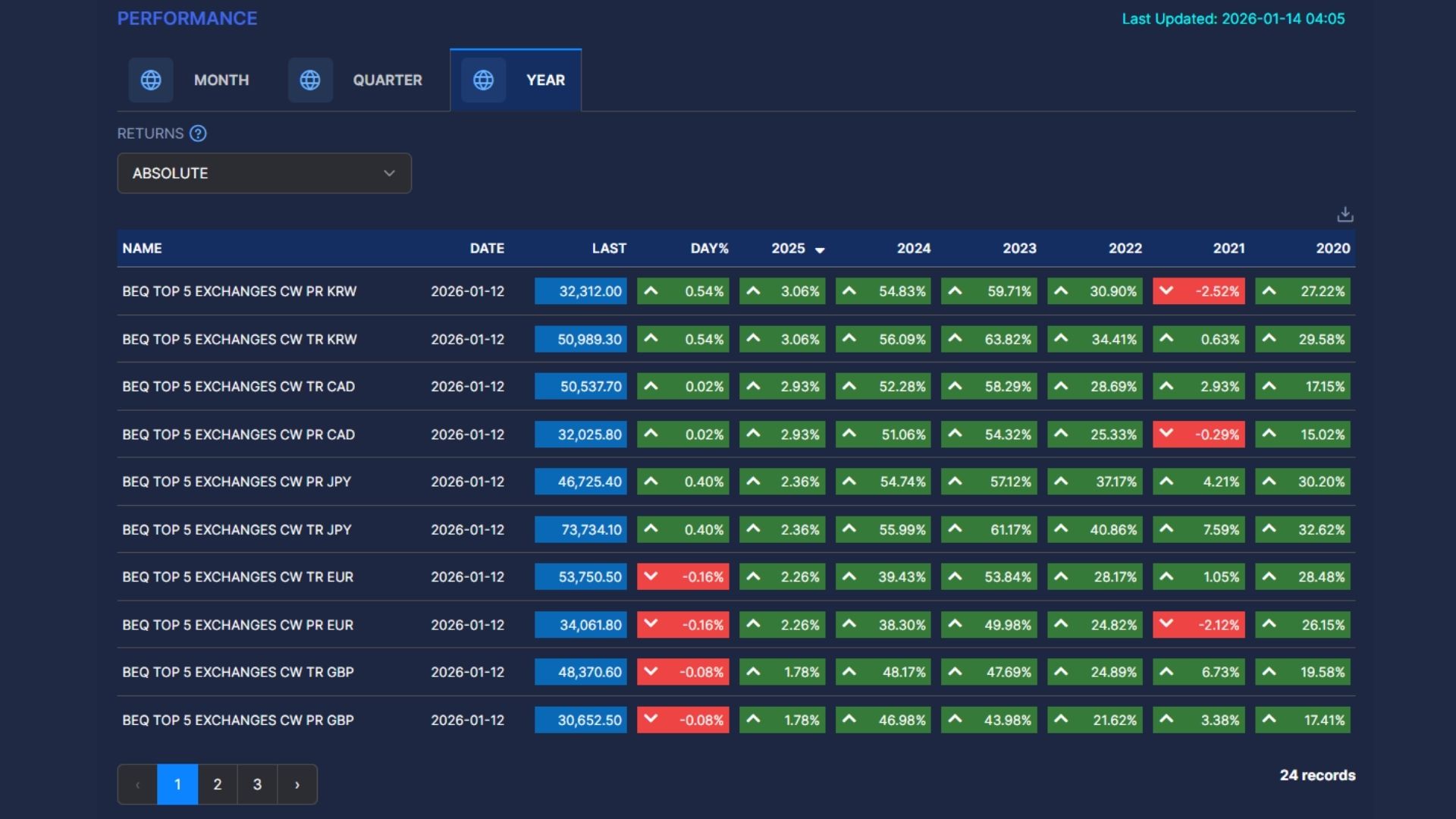
BeQ Holdings, through the CCPI (Capital & Cashflow Index Platform), focuses on analyzing index systems through a capital flow lens, with three core priorities:
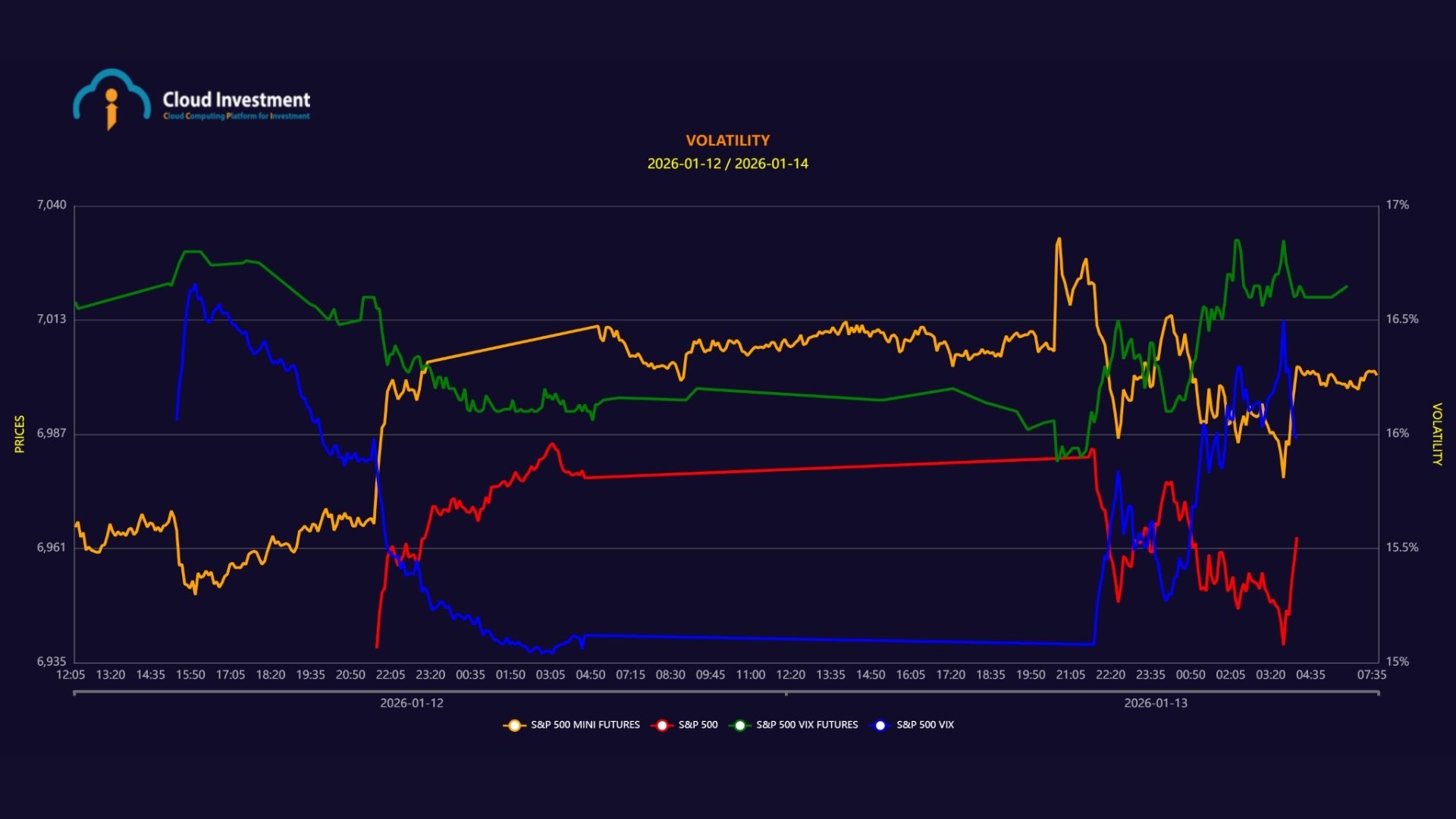
Meanwhile, dashboardlite.ccpi.vn provides a data visualization platform that allows market participants to observe:
Rather than approaching markets through emotion or fragmented news, CCPI and BeQ Holdings advocate for a system-level perspective, where indexes are not merely numbers, but the blueprint of capital allocation.
Modern financial markets are no longer driven by isolated narratives, but by capital allocation structures centered on indexes and index-tracking funds. This is why many retail investors continue to “read the news correctly” yet remain consistently behind the market.
Understanding indexes allows investors to:
When large capital does not predict individual stocks but follows indexes, understanding and tracking indexes is no longer optional—it is a prerequisite for sustainable investing.
Want to see where capital is actually flowing before the market fully reflects it?
👉 Visit dashboardlite.ccpi.vn and ccpi.vn to explore real-time Index Review data, stock weightings, and ETF capital flow dynamics.
For institutional inquiries, contact BeQ Holdings:
Hotline: +84 941 753 139
Email: contact@beqholdings.com
Text box item sample content