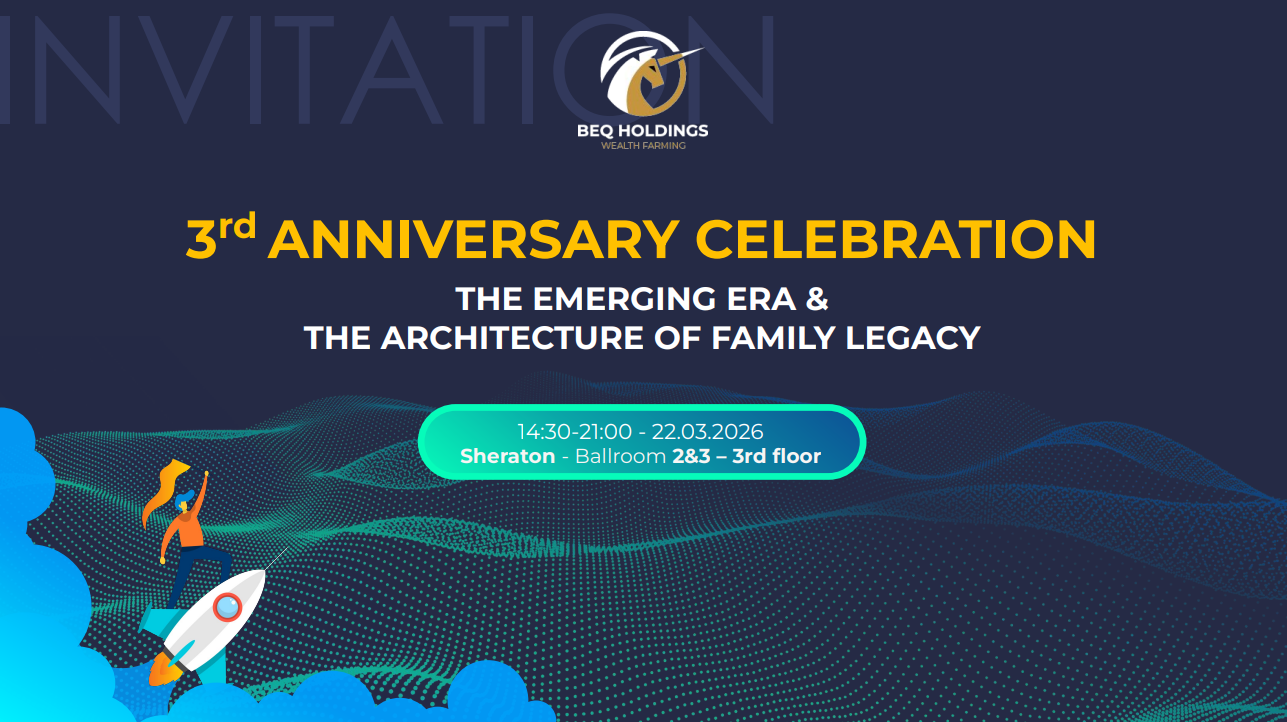
Ho Chi Minh City, Vietnam – March 22, 2026
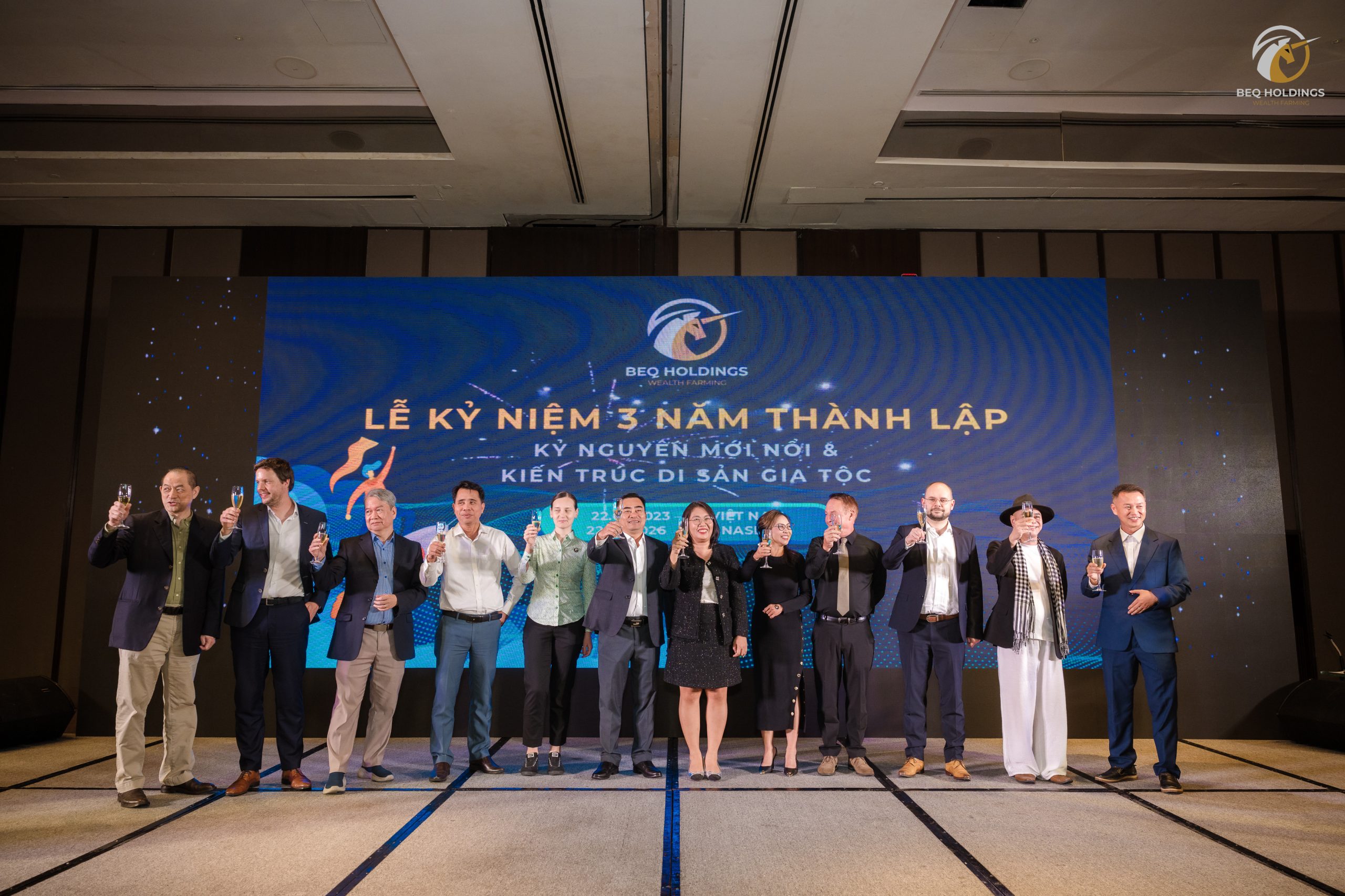
BeQ Holdings marked its third anniversary not with a conventional celebration, but through a closed-door strategic forum that convened international experts across legal, financial, and advisory fields to address a central question shaping today’s capital markets:
How should family wealth be structured in the Emerging Market era?
As Vietnam moves closer to a potential upgrade to Emerging Market status, the forum positioned itself at the intersection of critical factors: capital allocation, legal structuring, and multi-generational wealth governance — all of which are becoming increasingly important as global capital flows begin to realign.
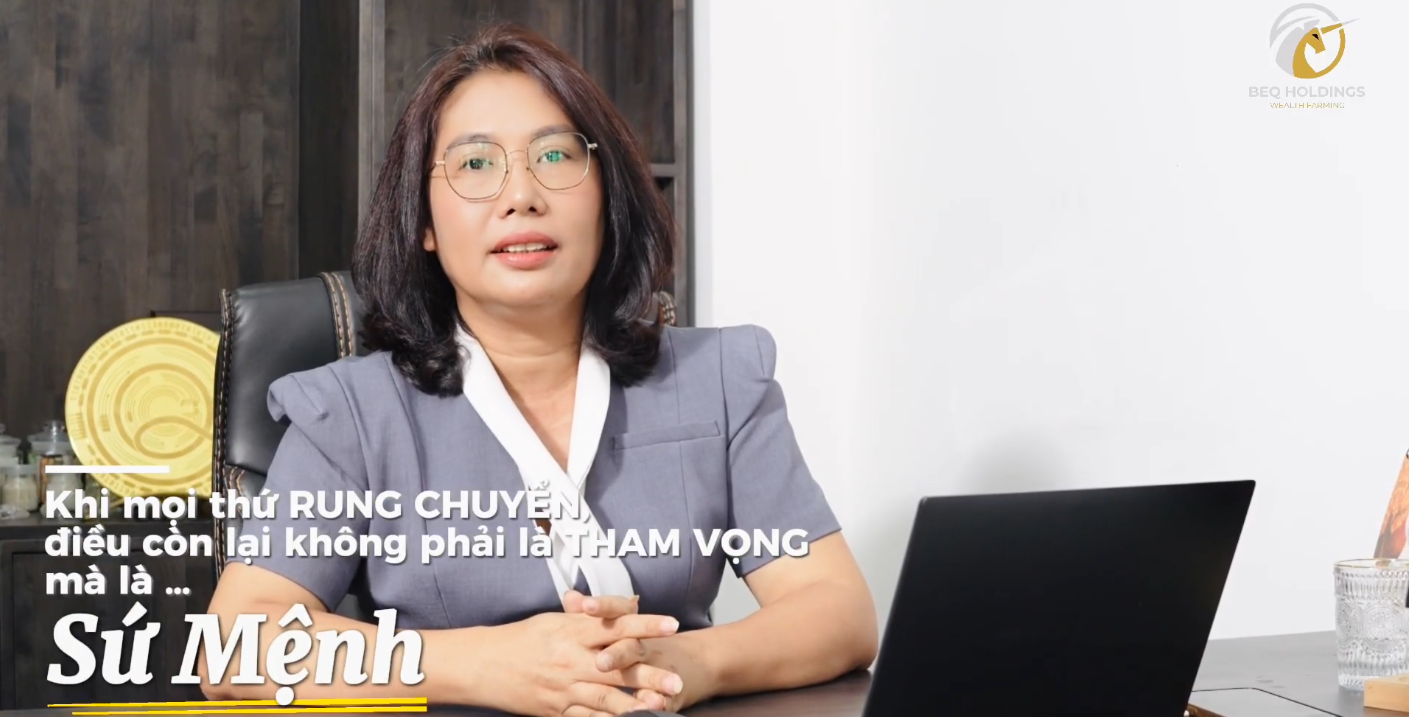
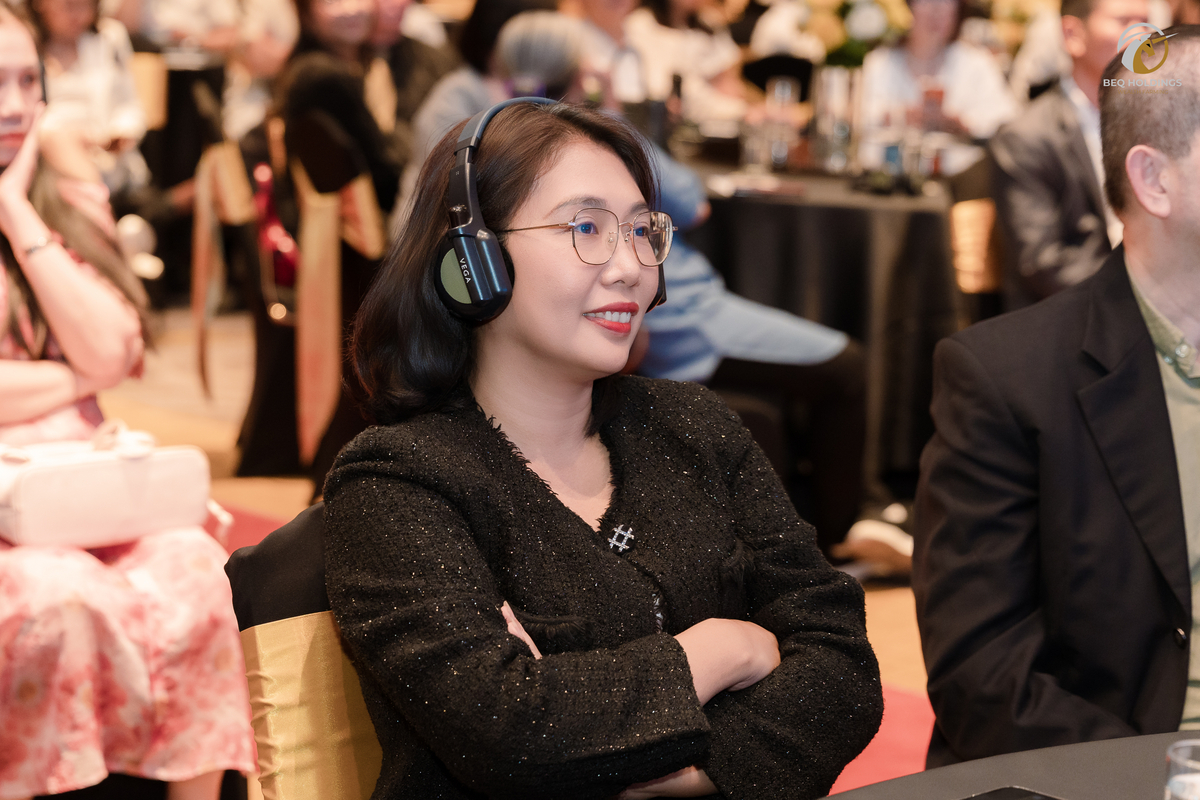
Opening the forum, Ms. Ta Thi My Phuong, Chairwoman and CEO of BeQ Holdings, framed this transition not as a market opportunity, but as a systemic shift:
“Emerging is not a label. It is a mechanism of global capital reallocation. And within that mechanism, structure determines sustainability.”
This message resonated throughout the event — that capital growth without structural discipline remains inherently fragile, particularly in early-stage emerging markets.
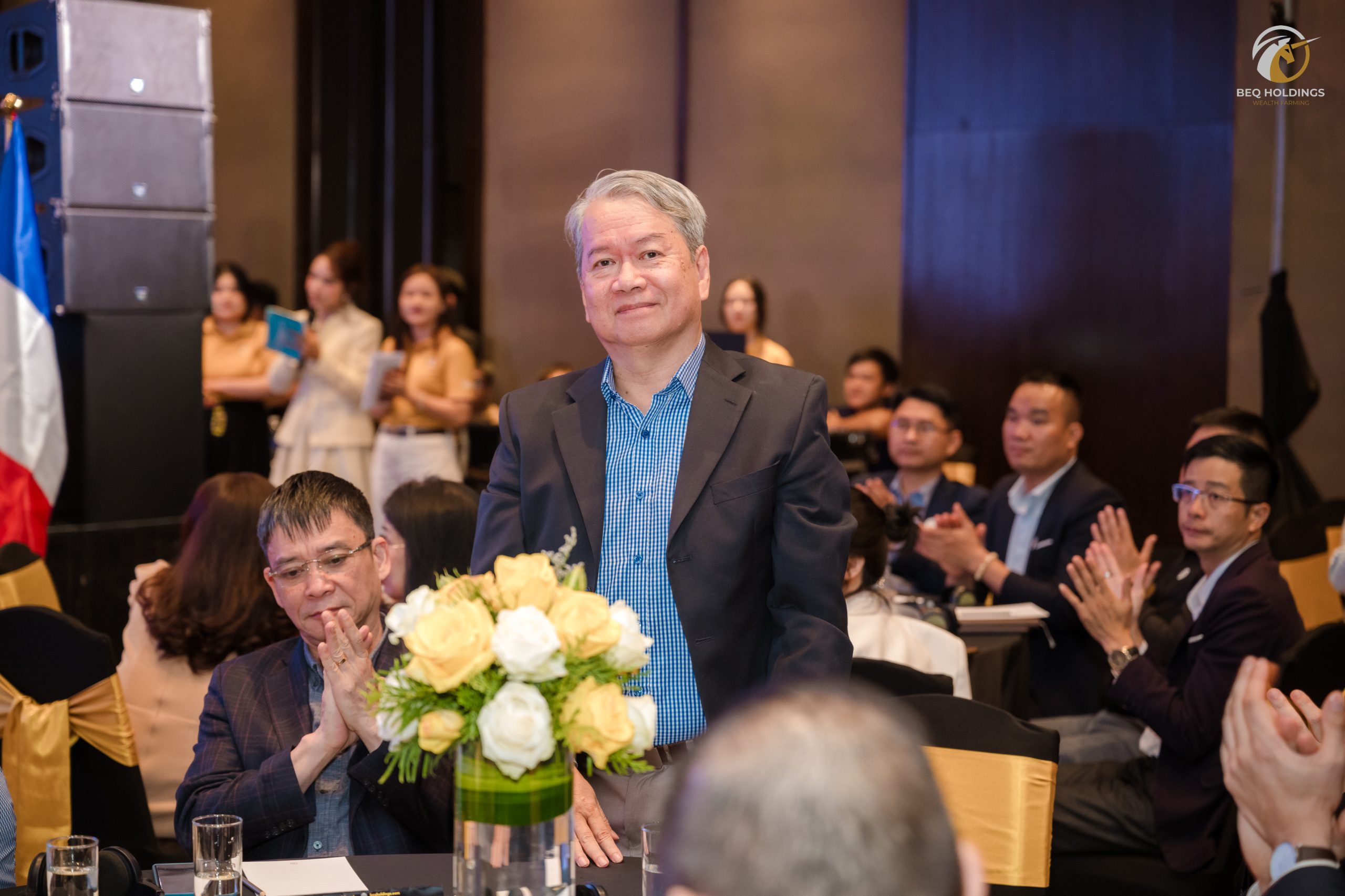
Dr. Mai Huu Minh, Co-Founder of BeQ Holdings and Founder of Intelligent Financial Research & Consulting (IFRC), a seasoned expert in global derivatives and index systems, introduced a structural approach to capital allocation.
With over three decades of experience in global financial markets, he emphasized the transition from discretionary investing toward index-based capital architecture, where:
This framework highlights the need for institutional-grade standards in emerging markets to manage volatility and capture structural capital flows.
From a European legal perspective, Mr. Harry Lars Ghillemyn, Founder of WoudLaw and former senior advisor at Goodwin and Linklaters, highlighted the limitations of domestically confined wealth structures.
Drawing on his experience advising private equity, capital markets, and international restructuring transactions, he emphasized the role of Luxembourg’s legal framework in:
“In emerging markets, wealth grows faster — but so does complexity.
Without legal architecture, growth does not translate into preservation.”
His perspective positions legal structuring not merely as compliance, but as a core pillar of long-term wealth sustainability.
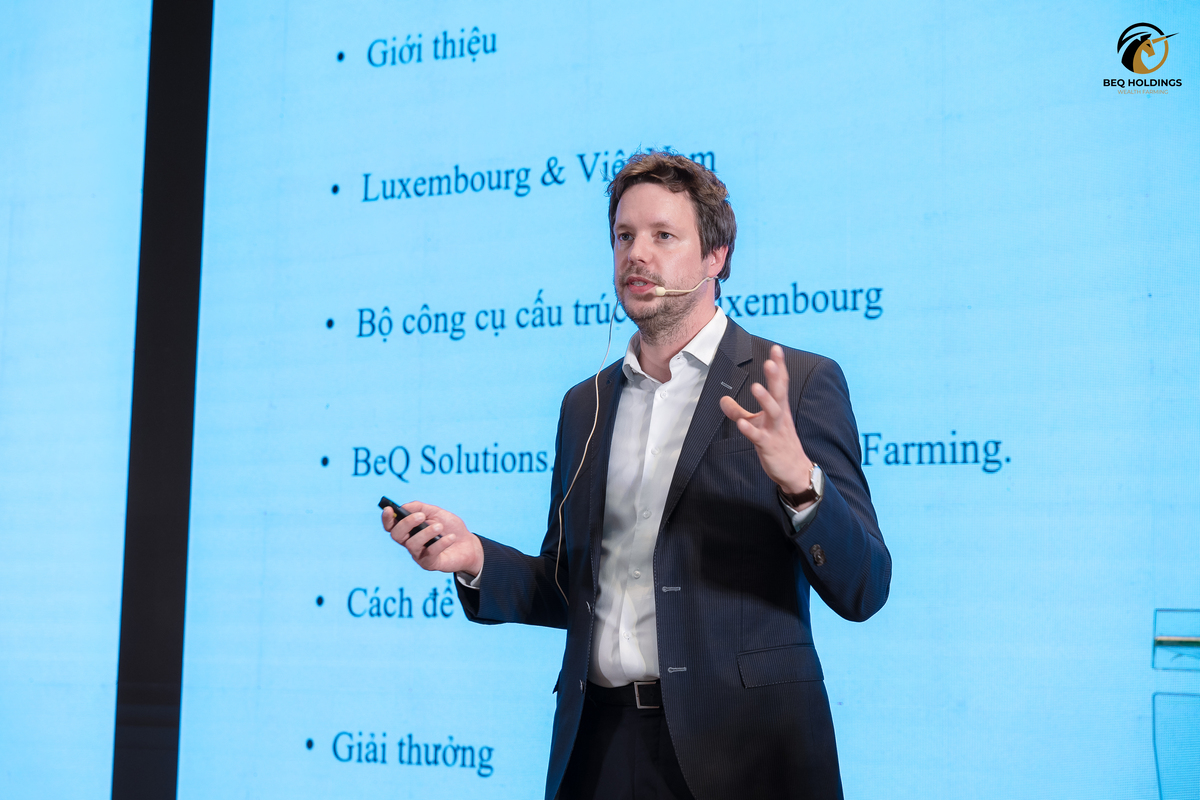
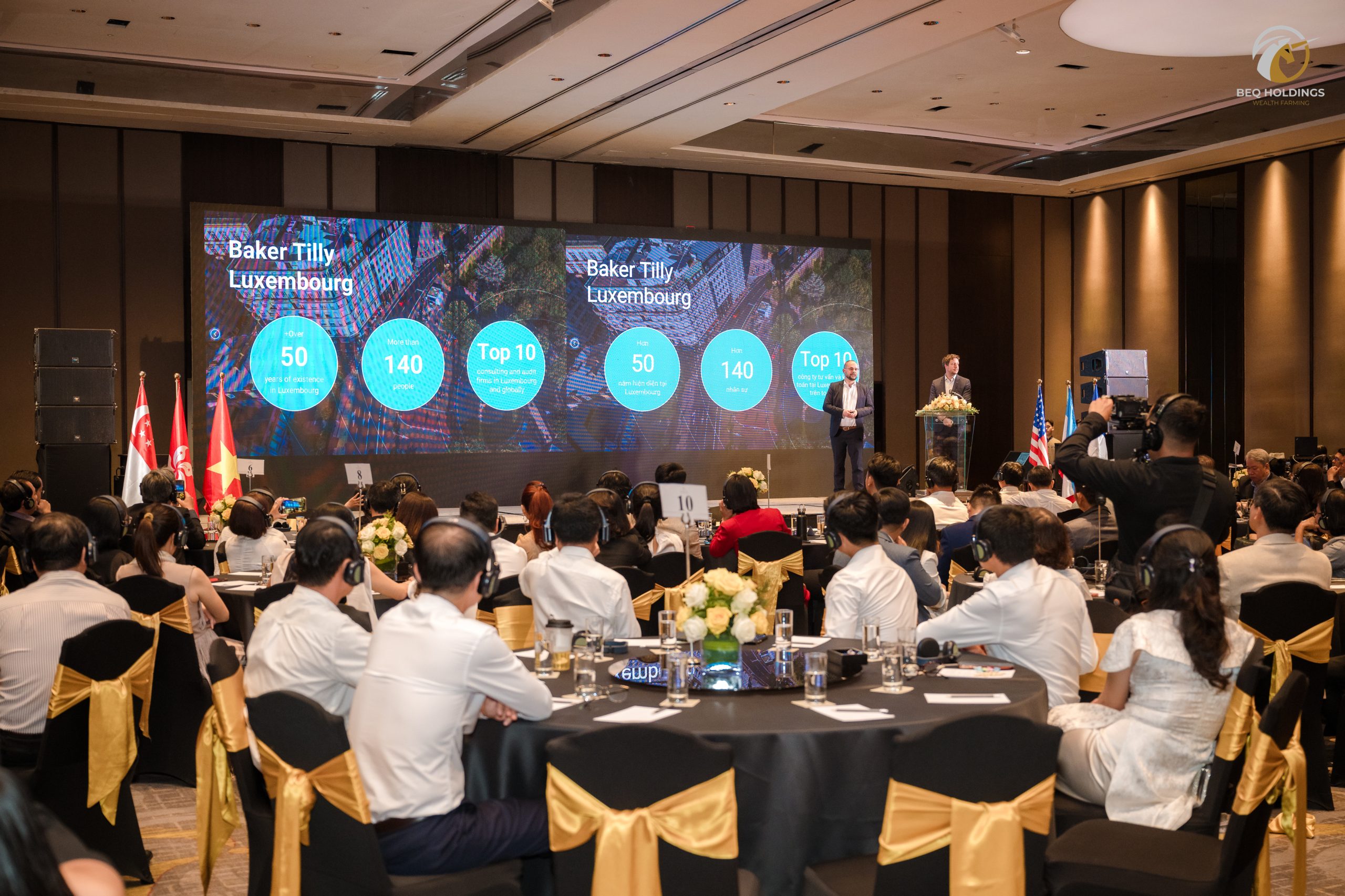
Mr. Michaël Duval, Director at Baker Tilly Luxembourg and a Chartered Accountant with over 18 years of experience, expanded the discussion to corporate governance and global capital access.
As part of a leading international advisory network, Baker Tilly has been actively involved in:
He emphasized that family businesses in emerging markets must evolve beyond traditional operating models:
“The question is no longer whether capital will arrive.
It is whether the structure is ready when it does.”
He also highlighted the growing convergence between traditional finance and digital assets, aligned with his role at the Luxembourg House of Web3.
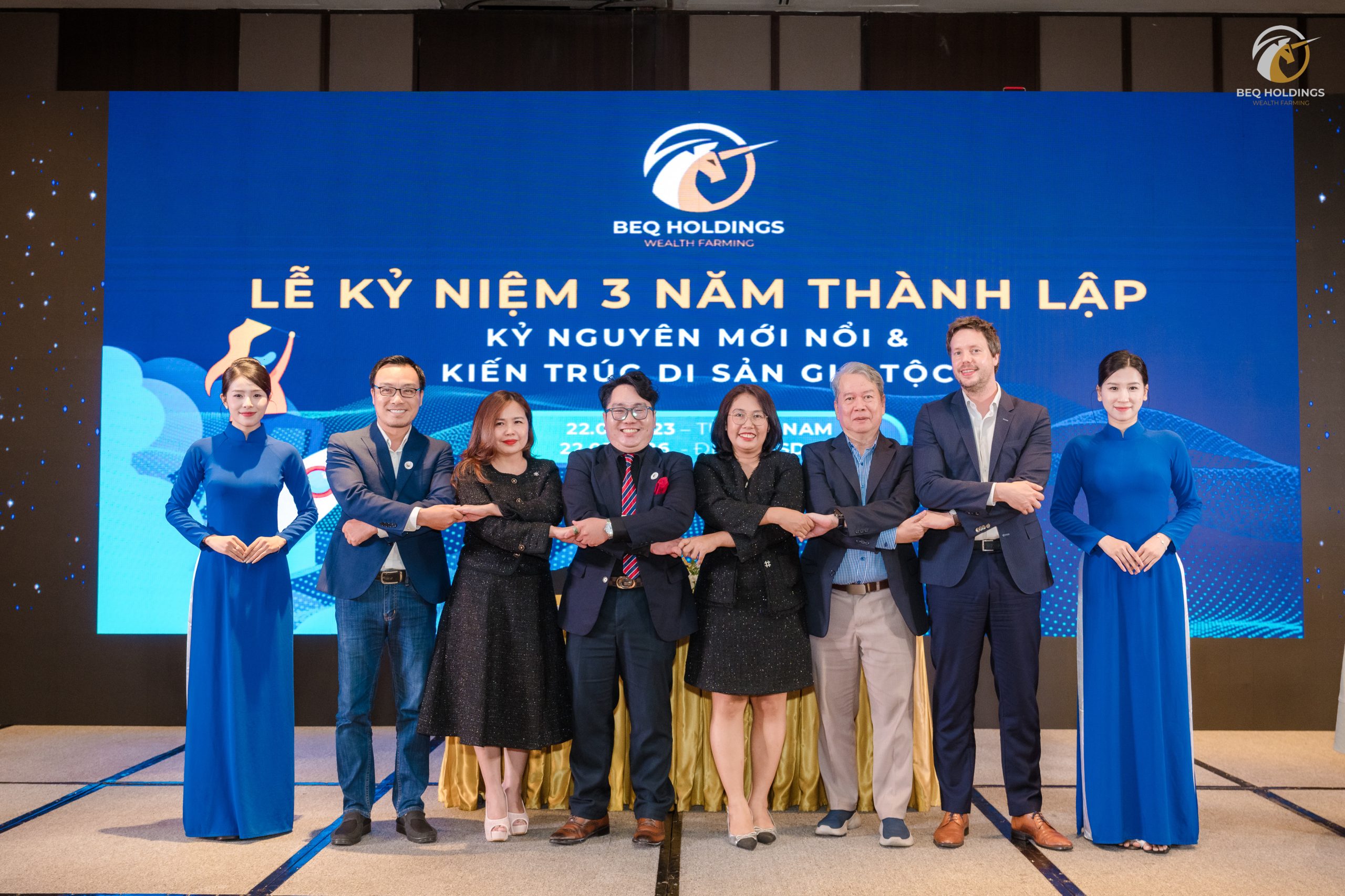
The forum also marked the signing of strategic partnerships between BeQ Holdings and ecosystem partners, aimed at developing a new generation of professional investors and SME leaders in Vietnam.
This initiative seeks to build a structured investment community integrating:
BeQ Holdings introduced its global ecosystem across:
USA – UK – Singapore – Luxembourg – Hong Kong – Vietnam
However, the company emphasized that this is not a geographic expansion strategy, but a functional architecture designed to:
The event concluded with a clear positioning:
BeQ Holdings is not positioning itself as a traditional asset management firm,
but as a designer of financial architecture in emerging markets.
By integrating index-based allocation, legal structuring, and global governance standards, BeQ aims to address a growing gap as Vietnam transitions toward a more institutionally driven capital market environment.
BeQ Holdings is a Vietnam-based WealthTech group focused on building index-driven investment strategies, cross-border asset allocation systems, and family wealth architecture frameworks for the Emerging Market era.