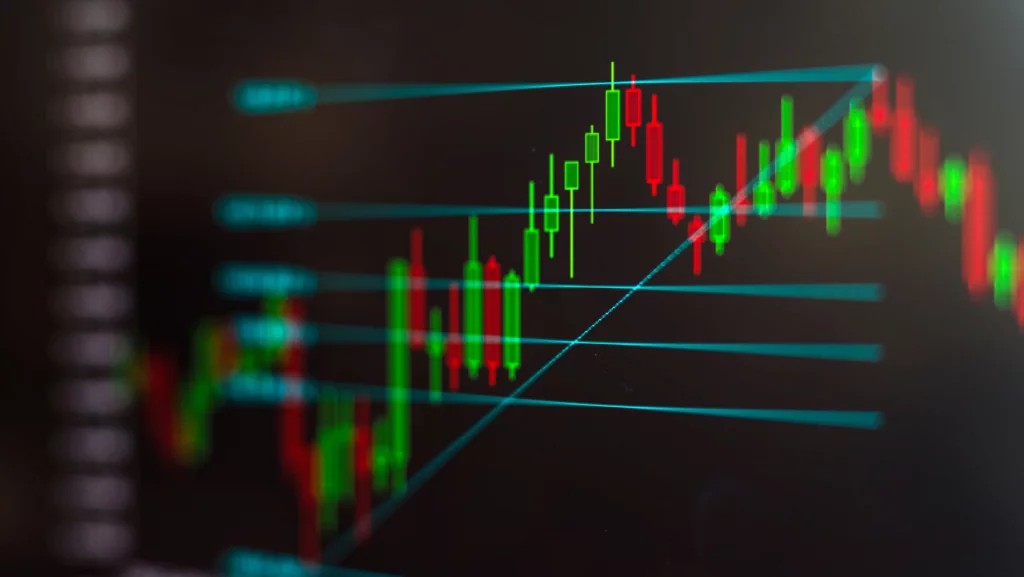
Technical Analysis: Reading the Market’s Pulse
In the world of investing, numbers tell stories—and technical analysis is the language that decodes them. Unlike fundamental analysis, which digs into earnings reports and economic indicators, TA focuses on the market’s heartbeat: price and volume. The premise is simple yet powerful: history repeats itself, and patterns in past trading behavior can hint at future moves.
The Core Philosophy
Technical analysts believe three things:
- Price Discounts Everything
Every known factor—earnings, news, sentiment—is baked into the price.
- Trends Exist
Markets move in identifiable directions: up, down, or sideways.
- Patterns Repeat
Human psychology drives markets, and behaviors recur over time.
The Toolkit of a Chart Whisperer
TA relies on a mix of indicators and patterns:
- Moving Averages (MA)
These smooth out price fluctuations, revealing the underlying trend.
Example: If Apple’s stock trades above its 50-day MA, bulls cheer.
- Relative Strength Index (RSI)
A momentum gauge from 0 to 100.
Above 70? Overbought—time to be cautious.
Below 30? Oversold—bargain hunters take note.
- MACD (Moving Average Convergence Divergence)
Tracks the relationship between two moving averages to spot trend shifts.
- Support and Resistance
Price levels where buying or selling pressure historically emerges.
Think of them as psychological battlegrounds.
- Chart Patterns
Head-and-shoulders, triangles, double tops—visual cues that often precede breakouts or reversals.
How Predictions Are Made
- Collect Historical Data: Price, volume, time.
- Apply Indicators: MA, RSI, MACD, Bollinger Bands.
- Spot Trends: Is the stock climbing, falling, or stuck in a range?
- Generate Signals: Buy, Sell, Hold—based on indicator thresholds.
- Confirm with Volume: Big moves need big participation.
Conclusion
TA doesn’t promise certainty—it offers probabilities. It’s most effective when combined with risk management and, often, fundamental analysis. Critics argue it’s self-fulfilling: patterns work because traders believe in them. Supporters counter that belief itself moves markets.
BUT
Combining AI models, technical analysis, volatility metrics, and sentiment analysis creates a multi-factor prediction framework that is far more robust than relying on any single method.