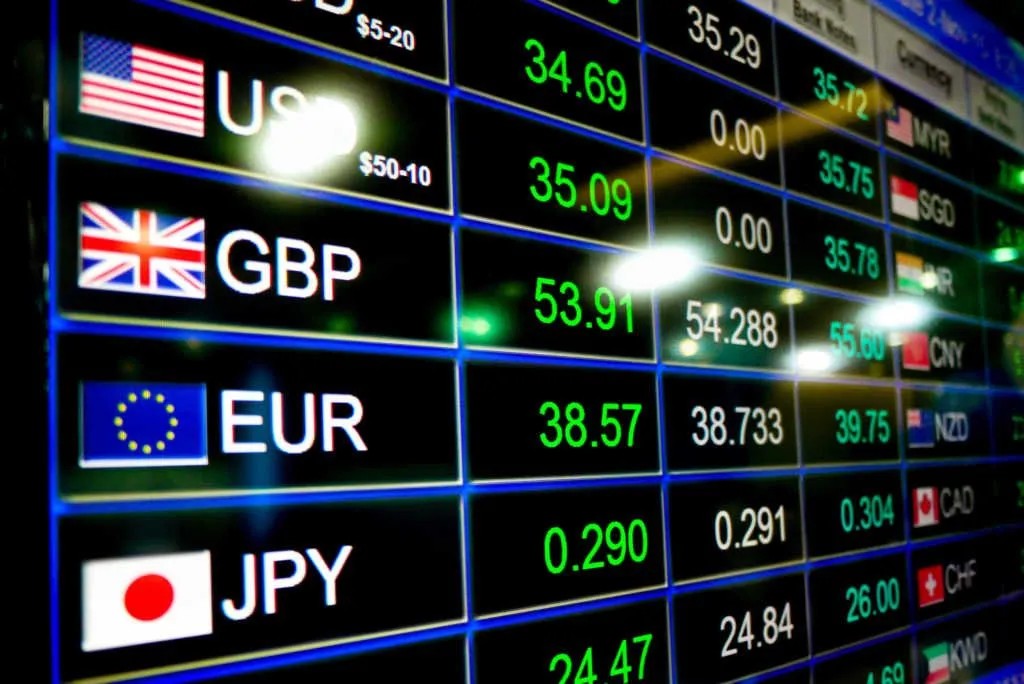
Currency risk, also called foreign exchange risk (FX risk), is the possibility that changes in exchange rates will affect the value of investments denominated in a foreign currency. When you invest internationally, your returns are influenced not only by the performance of the asset but also by the movement of the currency in which the asset is priced.
Why It Happens
- Exchange Rate Fluctuations: Driven by interest rates, inflation, and geopolitical factors.
- Cross-Border Investments: Stocks, bonds, or funds purchased in foreign markets expose you to currency volatility.
- Conversion Timing: Gains can be eroded if the foreign currency weakens before you convert back to your home currency.
Examples
- Equity Investment: An investor in Vietnam buys U.S. tech stocks. If the U.S. dollar depreciates against the Vietnamese dong, even if the stock price rises, the converted value in VND may fall.
- Bond Investment: A European investor holds Japanese government bonds. If the yen weakens against the euro, the bond’s interest payments lose value when converted.
- Global Index Funds: Funds tracking MSCI Emerging Markets often hold assets in multiple currencies. Sudden currency swings can cause tracking errors and volatility in returns.
Managing Currency Risk
- Hedging Instruments: Futures, forwards, and options to lock in exchange rates.
- Currency-Hedged Funds: ETFs that neutralize FX exposure.
- Diversification: Spread investments across multiple currencies and regions.
- Active Monitoring: Track macroeconomic indicators and adjust positions proactively.